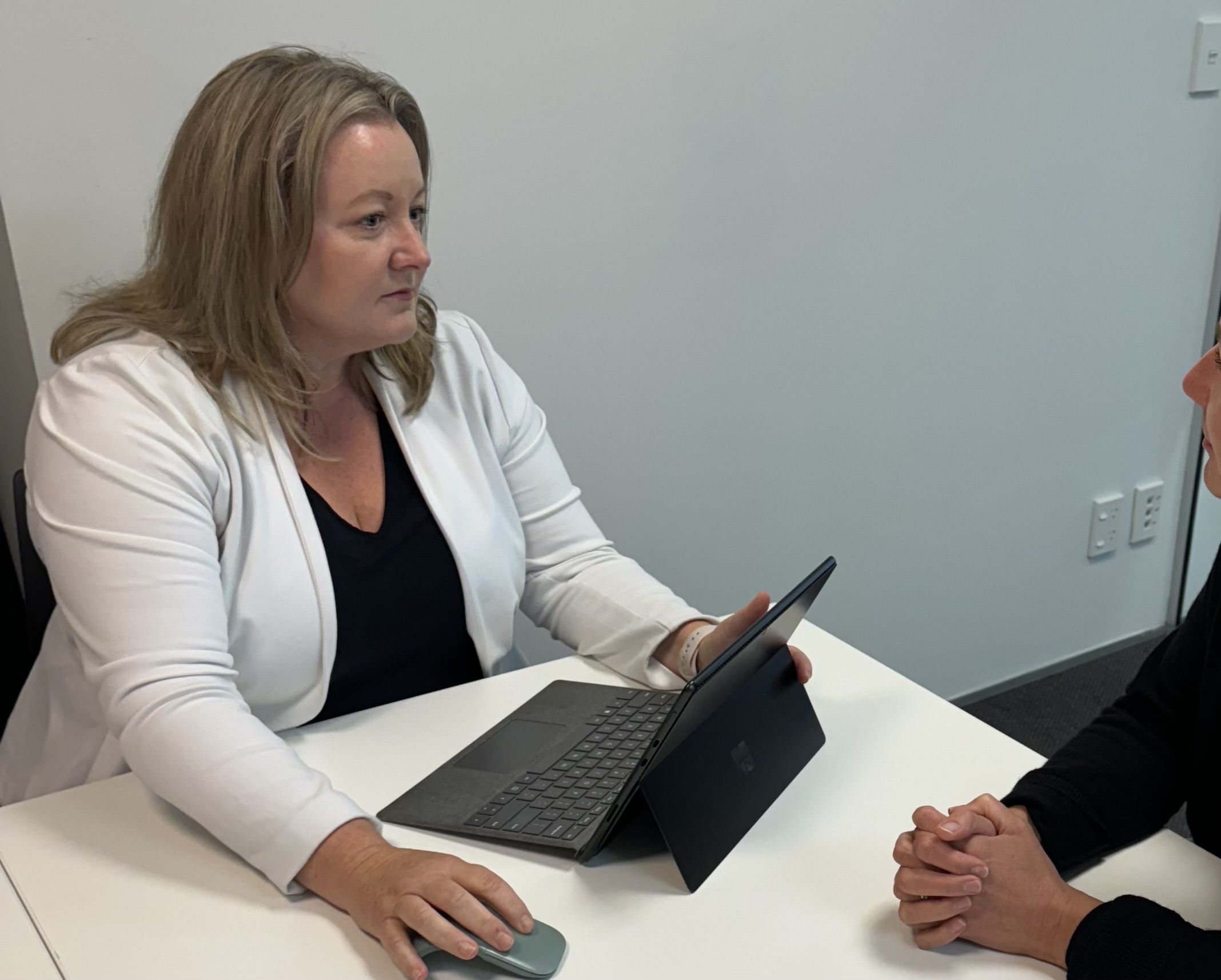

In the late 1800’s Max Weber coined the term ‘the Iron Cage of Bureaucracy’ for the human tendency to focus on the process or activity – not what we are trying to achieve or why we are doing it. Despite the knowledge of the problem being around for a long time most organisations unintentionally reward activity instead of impact. And the cost is enormous.
If your workplace feels like a constant race …inboxes buzzing, Slack threads multiplying, everyone sprinting from one “urgent” thing to the next, you’re not imagining it. And when urgency becomes the default, the cost is enormous: Scattered attention, shallow work, and teams who feel busy but rarely feel effective.
Business strategist David Finkel names the problem clearly. We’ve built cultures that celebrate motion, not progress. But there’s one shift that changes everything: Focus is not a personal trait …it’s a cultural choice. Leaders set the tone. Teams follow the signals. And organizations either protect deep work… or they drown it in noise.
When you build a focus‑based culture, you create an environment where people can actually think, solve, and contribute at their highest level. That’s where innovation lives. That’s where meaningful work happens.
Finkel Outlines Five Principles That Make The Difference:
- Busyness isn’t productivity. Activity without intention is just churn.
- Not everything urgent is actually important. The prioritisation matrix is still a great tool. Pin it to your wall and actively use it when tasks come in.
- Leaders shape the culture. What you reward becomes the norm. Are you encouraging your people to look after themselves, take breaks, focus on the priority activities, and have focused time. I coached a ‘non-performer’ once, we quickly established the things he was working on weren’t the managers priorities which is why he seen as a non-performer. All he did each morning was take five minutes with his manager to agree the priorities for the day and the ‘problem’ was fixed.
- Deep work must be protected. Focus is a strategic asset, not a luxury. Create some distraction free good thinking time each day for your people to tackle the most important work – and do it for yourself!
- Clear priorities reduce noise and keep everyone on track. If you are working on more than five things your brain is spinning and you are feeling overwhelmed. Narrow it down to what your brain can hold (three – four things), people feel focused, they are not overwhelmed and they get a sense of accomplishment when they make progress on important work.
A focus‑based culture isn’t quieter — it’s smarter. It’s calmer. And it produces better work with less chaos.